US Weather Update: Flood Threat Looms in the Northeast as Southern States Swelter
WEATHER DESK —
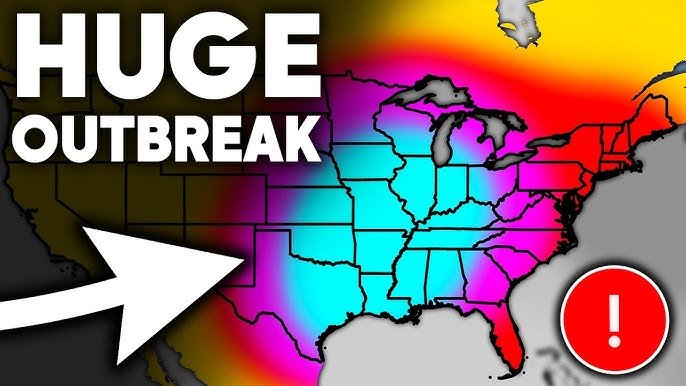
Weather conditions across the United States are showing a stark contrast right now. While the Northeast braces for heavy rain and potential flash flooding, large parts of the South and central US are dealing with intense heat and humidity.
Flood Watch in New England
According to the National Weather Service’s Weather Prediction Center (WPC), a Moderate Risk (Level 3/4) of excessive rainfall is in effect for parts of southeastern New York, northwestern Connecticut, western Massachusetts, and southern Vermont. Anomalous moisture combined with increased atmospheric convergence is expected to bring very heavy rainfall, raising the risk of significant flash flooding in these areas.
Tropical Storm Effects Near Hawaii
In the Pacific, Tropical Storm Fausto continues to weaken as it tracks north past the islands. While it isn’t expected to directly impact Hawaii, it is disrupting the typical trade wind pattern across the state, an effect that could persist through the end of the week.
Severe Weather Watch
The Storm Prediction Center (SPC) has issued a Day 1 Convective Outlook covering parts of the country, tracking potential thunderstorms, gusty winds, and other severe weather activity.
Temperature Trends Across the Country
July has brought slightly above-normal temperatures to much of the US. Current average highs in major cities include:
- Dallas: around 36°C (97°F)
- Houston: around 34°C (93°F)
- Atlanta: around 32°C (90°F)
- New York City: around 30°C (86°F)
- Los Angeles: around 29°C (84°F)
- Chicago: around 26°C (79°F)
The heat and humidity are hitting hardest across the southern states, while northern and coastal regions remain closer to seasonal norms.
Bottom Line
Overall, the country is experiencing two very different weather stories at once — flooding concerns in the Northeast on one side, and heat stress across the South and central regions on the other. Forecasters are urging residents in affected areas to stay alert and monitor local advisories closely.
This report is based on the National Weather Service and other weather sources, and may be updated as conditions change.