Air Force One Gets a Bold New Look: Navy Blue and Gold Replace the Classic Kennedy-Era Design
Air Force One Gets a Bold New Look: Navy Blue and Gold Replace the Classic Kennedy-Era Design
A decades-old aviation icon just traded its light blue coat for a darker, bolder identity — here’s everything behind the change
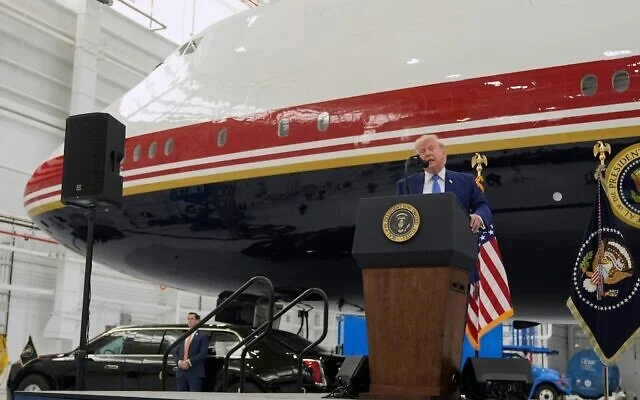
The aircraft the world knows as Air Force One has just stepped out in a striking new color scheme. The redesigned plane made its first public appearance during a return flight from Michigan to Washington, D.C., marking a significant departure from the pale blue and white livery that has defined the presidential aircraft for generations. In place of that familiar sky-blue look, the plane now sports a deep navy blue body, accented with a gold stripe and touches of red trim.
Where the New Look First Appeared
The updated paint job was first spotted as the presidential motorcade arrived at Oakland County International Airport in Michigan. Reporters and photographers on the ground quickly noticed the change and began sharing images and details, and news of the redesign spread rapidly once it became clear this wasn’t just a rendering or a proposal — it was the actual aircraft, freshly repainted and ready to fly.
What the New Design Looks Like
The most eye-catching feature of the redesign is its deep navy blue exterior, a much bolder and richer shade compared to the soft, pastel blue that previously wrapped the fuselage. A gold stripe runs along the body, giving the aircraft a more regal, upscale appearance. Red trim has also been added, echoing the colors of the American flag and reinforcing a more patriotic aesthetic.
Notably, this new color palette bears a strong resemblance to the exterior design of a Boeing 747-8 aircraft that was gifted to President Trump by the government of Qatar. The similarity suggests that the inspiration for this redesign may have been drawn, at least in part, from that gifted aircraft.
Which Plane Actually Changed?
It’s important to clarify exactly which aircraft received the makeover. The freshly painted plane is a Boeing 757, part of the broader fleet of aircraft used to transport the president. This particular jet is typically reserved for shorter domestic trips rather than long-haul or international travel. Meanwhile, the larger Boeing 747 — the aircraft most commonly associated with the “Air Force One” call sign and used for major international and long-distance journeys — remains unchanged for now, still carrying the traditional livery. In other words, this update currently applies only to the smaller aircraft used for shorter trips; the primary presidential transport jet hasn’t been repainted yet.
The Old Design: A Kennedy-Era Legacy
The light blue and white scheme now being phased out has a long and storied history. It dates back to the early 1960s, during the administration of President John F. Kennedy, and is widely credited to renowned industrial designer Raymond Loewy. For more than six decades, this design served as a recognizable symbol of American diplomacy and presidential authority on the world stage. Despite numerous administrations coming and going, the classic look remained remarkably consistent — until now, under the current administration’s push for change.
A Long-Held Ambition Finally Realized
This isn’t the first time President Trump has expressed interest in overhauling the appearance of the presidential aircraft. During his first term in office, he floated a similar concept featuring red, white, and dark blue tones, arguing at the time that such a scheme would give the plane a more distinctly “American” and commanding presence, replacing what he viewed as an outdated design from a previous era. That earlier proposal never fully materialized, but it appears the vision has now come to fruition with this latest repaint.
Part of a Larger Modernization Effort
This paint scheme update doesn’t appear to be an isolated decision — it’s being viewed as one piece of a broader initiative to modernize the entire presidential aviation fleet. The administration has reportedly been working on plans to introduce new Boeing 747-8 aircraft, which are expected to eventually replace the current, aging fleet used for presidential travel. Given that the existing planes have been in service for a considerable number of years, this modernization push touches not just on safety and technical upgrades but also on aesthetics and overall presentation.
Some observers speculate that if the smaller 757 has already received this new navy-and-gold treatment, it’s plausible that the incoming 747-8 aircraft could debut with a similar bold design once they officially enter service. If that turns out to be the case, this repaint may represent just the beginning of a much larger visual transformation for how the American presidency is represented in the skies for years to come.
Reactions From the Public and Experts
As images of the redesigned aircraft circulated, reactions poured in from social media and news outlets alike. Some praised the change as a fresh, modern update that better reflects a changing national identity. Others — particularly historians and traditionalists — expressed reservations about altering a design that has stood as an iconic symbol of American diplomacy and global presence for over 60 years.
The resemblance to the Qatari-gifted aircraft has also drawn attention, with some questioning whether the similarity was a deliberate design choice rather than coincidence, given the timing and context surrounding the gift.
Final Thoughts
At its core, this isn’t simply a story about a fresh coat of paint — it reflects a long-standing ambition on the part of President Trump to reshape the visual identity of the presidential aircraft. While the smaller Boeing 757 now flies in its new navy and gold colors, the primary Air Force One aircraft — the larger Boeing 747 — continues to carry the traditional design for the time being. However, with ongoing plans to bring new 747-8 aircraft into the fleet, it seems increasingly likely that the overall look of presidential air travel could see even more significant changes in the years ahead.
It remains to be seen whether this new design will be widely embraced by the public and critics alike, or whether the debate over changing such a historically significant symbol will continue. For now, one thing is clear: after more than six decades tied to the Kennedy-era design, Air Force One is taking to the skies with a bold, contemporary new identity — one that blends deep navy blue, gleaming gold, and patriotic red into a striking new chapter for one of the most recognizable aircraft in the world.